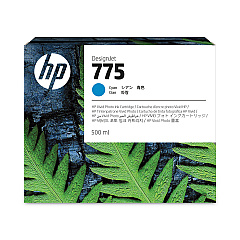
Refills for Ink Cartridges: What Businesses and Institutions Need to Know
Ink cartridge refills are an increasingly popular option for organizations looking to control printing costs without sacrificing quality. From busy offices and schools to government departments, healthcare facilities, and wholesalers, refilling cartridges can be a practical way to extend the life of existing supplies and reduce waste. Understanding how refills work, when they make sense, and how to choose the right provider is essential for any organization that relies on regular printing.
What Are Ink Cartridge Refills?
Ink cartridge refills involve replenishing the ink inside an existing cartridge instead of purchasing a brand new one. Rather than discarding the empty cartridge, a technician or refill service injects new ink into the reservoir, replaces or resets the chip if needed, and tests the cartridge for print quality.
Refills can be done in several ways:
- In store refills at office supply or specialty shops
- Mail in refill services
- On site refills by managed print providers
- DIY refill kits for in house maintenance teams
For businesses, schools, and government agencies with high print volumes, refills can be integrated into a broader print management strategy to keep devices running while controlling operational expenses.
Key Benefits of Using Refills
Refilling ink cartridges offers a range of advantages that are especially important for organizations with tight budgets and sustainability goals.
1. Cost Savings
Refills are often significantly cheaper than buying new original manufacturer cartridges. Over the course of a year, especially in environments with heavy printing like schools or healthcare facilities, the savings can be substantial. Lower cost per page allows departments to reallocate budget to other priorities such as technology upgrades, training, or patient services.
2. Environmental Impact
Refills help reduce plastic and electronic waste by extending the life of each cartridge. Instead of sending empties to landfills or recycling facilities after a single use, organizations can reuse cartridges multiple times. This supports corporate sustainability policies, green procurement programs, and environmental reporting requirements often found in government and large enterprise settings.
3. Supply Continuity
Having a reliable refill program in place can reduce the risk of running out of ink at critical times. For example, schools during exam periods, hospitals printing patient labels, or government offices issuing permits all rely on uninterrupted printing. A scheduled refill service or bulk refill arrangement can help maintain steady supply without emergency purchasing.
Types of Ink Cartridge Refills
Different organizations have different needs, and there are several refill options to match those requirements.
1. In Store Refills
Many office supply and print shops offer walk in refill services. Staff refill and test cartridges on site, often while you wait. This option suits small businesses, clinics, or local government offices with moderate print volumes.
2. Mail In Refills
Mail in services allow organizations to send empty cartridges to a refill center and receive refilled units by post or courier. This can work well for distributed teams, remote schools, or multi site healthcare providers that want centralized control over print supplies.
3. Managed Refill Programs
Some managed print service providers include refills as part of a broader contract. They monitor usage, collect empties, deliver refilled cartridges, and handle quality control. This is particularly attractive for larger enterprises, school districts, and government departments that want predictable costs and minimal internal administration.
4. DIY Refill Kits
DIY kits include ink, tools, and instructions for internal staff to perform refills. While this approach can deliver the lowest unit cost, it requires training, careful handling, and quality checks. It is more suitable for organizations with dedicated facilities or IT staff and a clear process for managing printer supplies.
Quality Considerations with Refills
Print quality is a primary concern for any organization considering refills. Poor quality prints can damage professional image, create confusion in documents, or even affect patient safety in healthcare.
Important quality factors include:
- Ink formulation: Reputable providers use inks engineered for specific printer brands and models, helping maintain color accuracy and sharp text.
- Cartridge condition: Cracked or worn components can lead to leaks, streaks, or printer errors. Good refill services inspect and reject unsuitable cartridges.
- Chip compatibility: Many modern cartridges include chips that track ink levels. These may need to be reset or replaced to ensure accurate reporting and printer recognition.
- Testing: Reliable refillers test cartridges after refilling to verify print quality and detect defects before shipment or pickup.
Cost Comparison: Refills vs New Cartridges
When evaluating refills, it is important to look beyond the upfront price and consider total cost of ownership.
Key cost elements include:
- Cost per page: Compare the price of refills and new cartridges against their page yield to understand real printing costs.
- Failure rate: If a small percentage of refills fail or produce poor quality prints, factor replacement costs into your calculations.
- Staff time: For DIY refills, include the cost of staff time spent refilling, troubleshooting, and cleaning up any spills.
- Printer maintenance: Properly done refills should not damage printers, but poor quality ink or incorrect procedures can increase maintenance costs.
Many organizations find that, with a reliable provider, refills deliver a lower cost per page than new original cartridges while maintaining acceptable quality levels.
Environmental and Sustainability Benefits
Sustainability is a growing priority across business, education, government, and healthcare. Refills align well with these goals in several ways:
- Waste reduction: Each refill extends cartridge life, reducing the number of units that must be recycled or disposed of.
- Resource efficiency: Manufacturing new cartridges consumes plastic, metals, and energy. Reusing existing shells lowers demand for raw materials.
- Support for green policies: Refills can be incorporated into environmental management systems, CSR initiatives, and reporting frameworks.
For public sector and large enterprise buyers, including refills in procurement strategies can help meet sustainability targets and demonstrate responsible resource use.
Choosing a Refill Provider
Selecting the right refill partner is critical to achieving consistent quality and savings. When evaluating providers, consider the following:
- Experience and specialization: Providers with a strong track record in business, education, or healthcare environments understand the importance of reliability and compliance.
- Quality assurance: Look for documented processes for testing, defect handling, and ink sourcing.
- Range of supported models: Ensure the provider can handle all major printer brands and models used across your organization.
- Service options: Decide whether you need in store service, on site visits, mail in programs, or a fully managed print solution.
- Service level agreements: For larger contracts, SLAs covering delivery times, replacement policies, and response to quality issues are essential.
Implementing a Refill Strategy in Your Organization
To get the most from refills, organizations should integrate them into a structured print management approach.
Steps to consider:
- Assess current printing: Review your fleet of printers, monthly page volumes, and existing cartridge spend.
- Identify suitable devices: Some printers and cartridges are more refill friendly than others. Work with your provider to identify best candidates.
- Standardize where possible: Reducing the variety of printers in use simplifies refill logistics and inventory management.
- Set policies: Define when to use refills, how empties are collected, and who is responsible for ordering or managing services.
- Train staff: Ensure staff know how to handle refilled cartridges, report issues, and follow basic printer care practices.
By treating refills as part of a broader print strategy rather than an occasional cost cutting measure, organizations can achieve more predictable results and higher long term savings.
Are Refills Right for Your Organization?
Refills are not a one size fits all solution, but for many businesses, schools, government agencies, healthcare providers, and wholesalers, they offer a practical balance of cost efficiency and sustainability. The key is to approach refills systematically: select reliable partners, monitor performance, and align the program with your operational and environmental goals.
With thoughtful implementation, refills can help your organization reduce printing costs, minimize waste, and maintain the print quality needed for professional communication and critical documentation.
Ink Cartridges Frequently Asked Questions
What are ink cartridge refills?
Ink cartridge refills involve replenishing the ink inside an existing cartridge instead of purchasing a brand new one. This process can be done through various services such as in-store refills, mail-in services, or DIY kits.
How do ink cartridge refills benefit organizations financially?
Refills are significantly cheaper than buying new cartridges, leading to substantial savings, especially in high-volume printing environments like schools and healthcare facilities. This allows for budget reallocation to other priorities.
What environmental advantages do ink cartridge refills offer?
Refilling cartridges reduces plastic and electronic waste by extending the cartridge’s life. This practice supports sustainability goals and reduces the need for new cartridge production, lessening the environmental footprint.
What types of refill services are available?
There are several options including in-store refills, mail-in services, managed refill programs by print providers, and DIY refill kits, catering to different organizational needs and preferences.
Are refilled cartridges reliable in terms of print quality?
Reputable refill providers ensure high-quality prints by using inks specifically formulated for compatible printer models, testing cartridges post-refill, and ensuring chip compatibility for accurate ink level reporting.
How do refills compare to new cartridges in terms of cost?
Refills generally offer a lower cost per page compared to new cartridges. When considering total cost of ownership, including possible failure rates and staff time, refills often prove to be more economical.
What should organizations consider when choosing a refill provider?
Key considerations include the provider's experience, quality assurance processes, range of supported printer models, available service options, and service level agreements for larger contracts.
How can organizations integrate refills into their print management strategy?
Organizations should assess current printing needs, identify refill-friendly devices, standardize printer models, establish refill policies, and train staff to effectively manage and utilize refilled cartridges.
What sustainability benefits do refills provide?
Refills contribute to waste reduction, resource efficiency, and support green policies by minimizing the need for new cartridge production and aligning with environmental management systems and CSR initiatives.
Are ink cartridge refills suitable for all organizations?
While not universally applicable, refills are ideal for many businesses, educational institutions, government agencies, and healthcare providers seeking cost efficiency and sustainability. A systematic approach enhances their effectiveness.